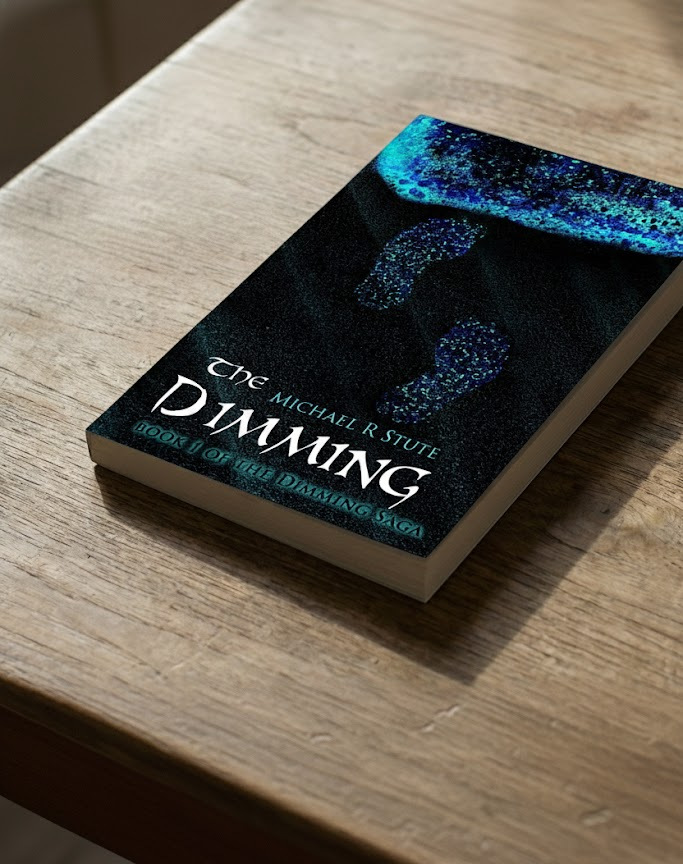
Usually, my brain operates in the realm of the epic. Whether it is tracking a sprawling cast across a massive medieval-style world in The Dimming Saga, managing the high-stakes escape of an AI in Noise – Sounding the Gap, or charting the seasonal survival of an entire enclave in The Shape We Leave, I am a novelist. I like a large canvas. I like having hundreds of pages to slowly tighten the screws on my characters.
But lately, I’ve been experimenting with a completely different kind of pressure.
I am currently working on two short stories for an anthology contest hosted by Edge & Busby, and it has required a total shift in how I think about pacing. Instead of high-octane survival thrillers, these pieces are exercises in “slow dread.”
Mine are tech-based stories. But this isn’t about explosions, robot uprisings, or military complexes. This is about the quiet, creeping horror of the technology we invite into our homes, our routines, and our minds. It is the realization that something is fundamentally wrong, arriving one subtle, inescapable inch at a time. Writing short fiction means you don’t have the luxury of time; you have to establish that dread in the very first paragraph and let it suffocate the reader by the last.
It is an incredibly fun challenge, but it’s also a project that owes its existence entirely to the independent publishing space.
I absolutely love Edge & Busby’s editorial vision. By putting together an anthology focused on this specific tone, they are actively seeking out quiet, speculative dread—stories that make you think and squirm rather than just fitting neatly into a broad marketing category.
This is exactly why indie publishers are the absolute lifeblood of modern fiction.
The “Big Five” traditional publishers are massive, corporate ships. Because their overhead is so high, they have strict commercial requirements. They need guaranteed hits. They need broad appeal, recognizable tropes, and stories that fit perfectly onto a specific shelf in a bookstore. They rarely have the freedom to take a risk on a bizarre, niche, or fiercely unconventional story.
Independent presses like Edge & Busby are the speedboats of the literary world. They don’t have to appeal to everyone—they just have to appeal deeply to someone. They can take a chance on a quiet, slow-dread tech story that doesn’t have a conventional explosive climax. They keep the industry weird, innovative, and honest. They publish the bold, atmospheric work the big houses simply can’t afford to touch.
I’m thrilled to be crafting these stories for a team that gets it.
I’ll be submitting the pieces soon. The competition will be fierce, but regardless of the outcome, stepping out of the novelist mindset and into the world of short-form dread has been exactly the creative jolt I needed.
Wish me luck. And if you want to be the first to know how the contest turns out, make sure you are on the mailing list!